
Your Toolkit for TBI & Concussion Recovery

Recovering from a Traumatic Brain Injury (TBI) or concussion is rarely a straight line. While clinical care is the foundation, managing daily life—from schoolwork to social outings—requires a specialized toolkit. Whether you are dealing with persistent post-concussion symptoms (PCS) or looking for ways to support a loved one, these resources and strategies can help bridge the gap between treatment and true quality of life.
1. Essential Tools for Symptom Management
Managing a "mismatch" between your vision, vestibular (balance), and proprioception (body awareness) systems is often the hardest part of recovery. Here are some tools to help lower the cognitive load on your brain:
Vision & Light Sensitivity: Try using blue light glasses, FL-41 lens glasses (like Horus X), or even simple hats to reduce the amount of light your eyes must process.
Audio Comfort: Noise-canceling headphones or specialized earplugs (like Loop or Flare) can make loud environments more manageable.
Digital Adjustments: Use browser extensions like f.lux to dim your screens or change your phone settings to a red tint to reduce strain.
Physical Aids: For those experiencing dizziness or balance issues, walking poles, canes, or weighted lap pads can provide extra stability during your daily movement.
2. Healing Through Stories & Community
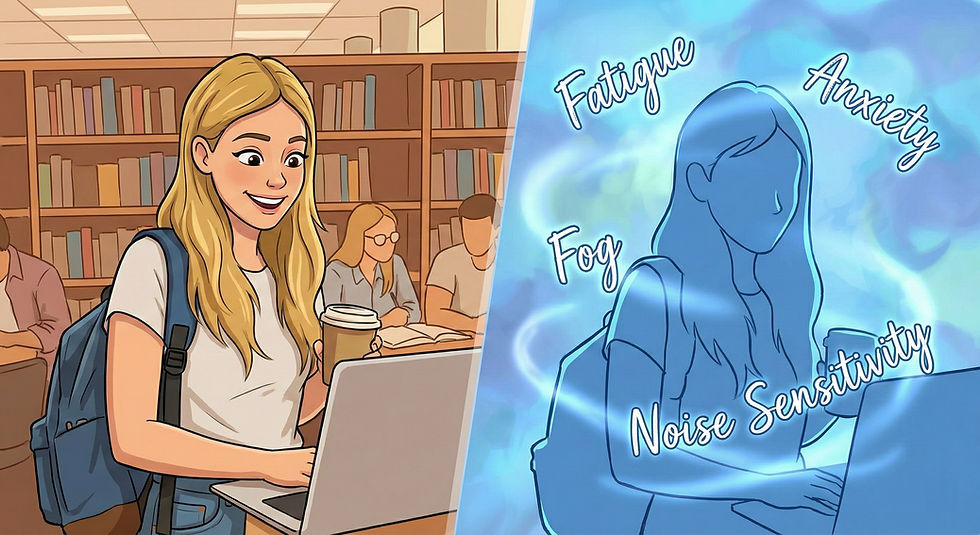
A concussion can feel incredibly isolating because so many of its symptoms—like brain fog, fatigue, and irritability—are "invisible" to others. Connecting with the lived experiences of others can be a powerful form of therapy.
Must-Listen Podcasts: * Ask ConcussionDoc: Practical tips on symptom tracking and recovery strategies.
The Post Concussion Podcast: Candid conversations about the emotional and physical impact of persistent symptoms.
Recommended Reads: * The Ghost in My Brain by Clark Elliott: Explores brain plasticity and cognitive healing.
Impact: Women Writing After Concussion: An anthology validating the varied emotional journeys of brain injury.
Note: If reading is currently too taxing, audiobooks are an excellent way to engage with these stories without the cognitive strain.
3. Support Systems & Professional Care
Recovery often takes a village. Beyond your family doctor, a multidisciplinary team can address specific lingering issues:
Specialized Therapists: Seek out Vestibular Physical Therapists for balance issues, Occupational Therapists (OT) for daily activity pacing, and Neuro-optometrists for vision-related fatigue.
Holistic Support: Don't overlook the benefits of dietitians for anti-inflammatory nutrition or counselors to help navigate the PTSD and anxiety that can follow a TBI.
Get Involved: In BC, organizations like the BC Brain Wellness Program, Vancouver Brain Injury Association, and Nanaimo Brain Injury Society offer peer support and volunteer opportunities to help you reconnect with your community.
4. Daily Practices for a Resilient Brain
Small, consistent habits can significantly impact your recovery trajectory:
The "Morning 30": Aim to get sunlight within 30 minutes of waking and eat a high-protein breakfast to fuel your brain for the day.
Strict Sleep Hygiene: Keep a consistent wake-up and bedtime. If you need a nap, keep it under 25 minutes to avoid disrupting your nighttime sleep cycle.
Gradual Activity: Following protocols like the Buffalo Treadmill Protocol (under professional guidance) allows you to slowly reintroduce aerobic exercise, which is critical for long-term recovery.
References
BC Ministry of Health (2021). Concussion and TBI emergency department visits in BC.
Silverberg, N. D., et al. (2023). The American Congress of Rehabilitation Medicine Diagnostic Criteria for mTBI.
Wake Up Brain. TBI recovery books and resources.
Parachute Canada. Concussion guides for adults and return-to-school strategies.
Cleveland Clinic Journal of Medicine (2017). Managing concussions and post-traumatic headaches.


Comments